More climbers to the summit — safely, and unforgettably.
From the glaciers of Kilimanjaro to the hidden peaks of the Rift Valley, every Summit Collection climb is privately guided, fully supported, and built around the one thing that gets you to the top: careful acclimatisation and genuine care.
~95%
Summit success
20+
Years on the mountains
3:1
Porters per climber
2×
Daily health checks
4
Peaks to choose
Choose Your Peak
Five Mountains, One Expert Team
From a first summit to a serious challenge — compare the peaks and find the climb that fits your time, fitness and ambition.
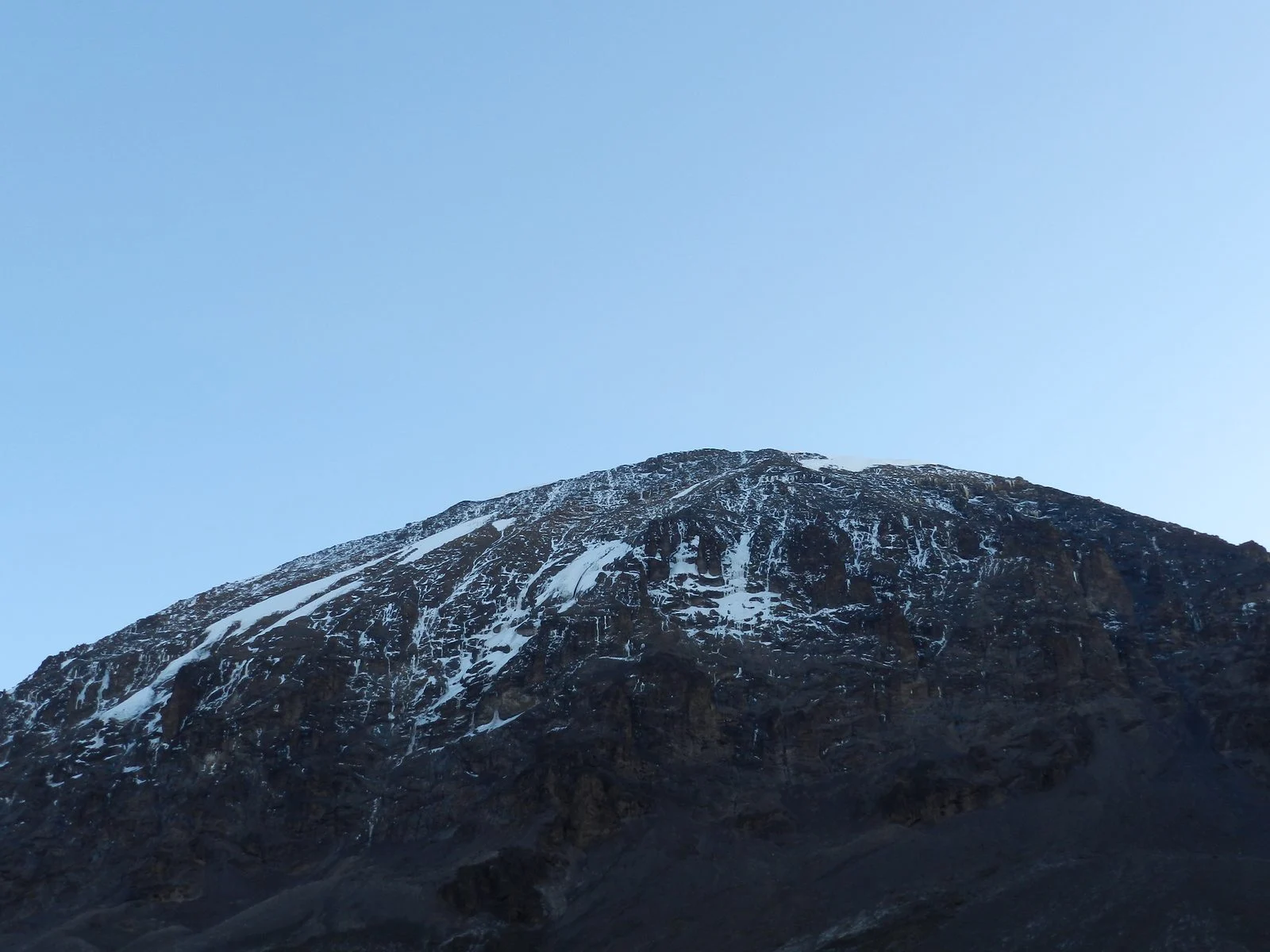
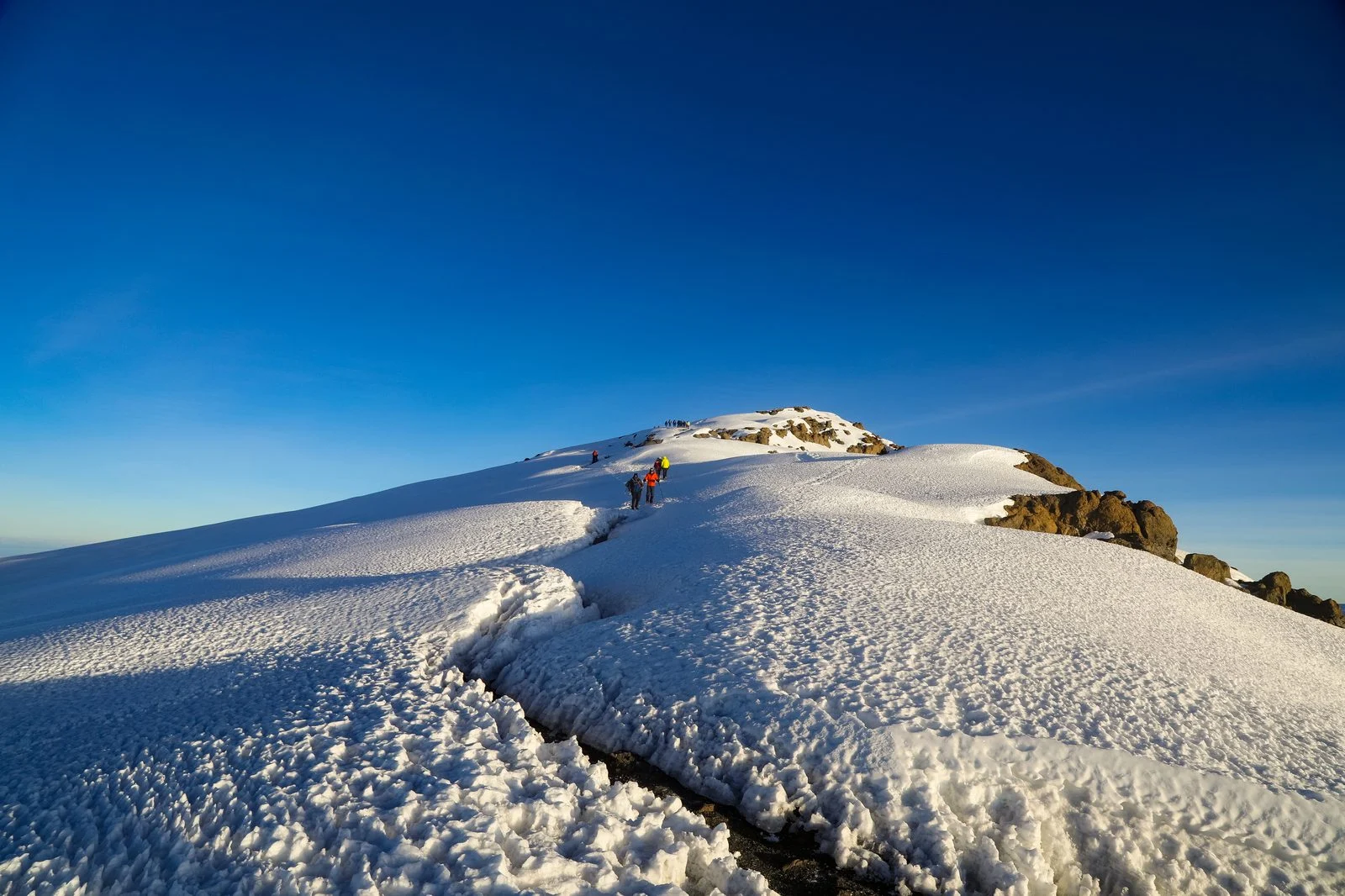
Glaciers, thin air and the roof of Africa at sunrise.
Alpine Desert
4,000 – 5,000 m
Stark, wind-scoured rock and dramatic long views.
Heath & Moorland
2,800 – 4,000 m
Giant lobelias and groundsels above the cloud line.
Rainforest
1,800 – 2,800 m
Lush, misty forest alive with birds and monkeys.
Cultivation
800 – 1,800 m
Farmland and villages at the foot of the mountain.
FIVE WORLDS IN ONE CLIMB
Through the Climate Zones
A Kilimanjaro ascent takes you through five distinct ecological zones in a matter of days — from equatorial rainforest to an arctic summit. Each zone changes the temperature, the terrain and the way you move, which is exactly why acclimatisation and the right gear matter so much.
No technical skills are required for any Summit Collection climb — these are strenuous hikes, not technical mountaineering. Good general fitness and determination matter far more than experience.
You should be comfortable walking 5–7 hours over consecutive days. We recommend 8–12 weeks of cardio and hill training with a loaded daypack. Summit day is long, but our pace and acclimatisation are built to carry you through.
Altitude affects everyone differently. We minimise the risk with longer, well-paced itineraries, twice-daily health checks, emergency oxygen and guides trained to respond — the biggest reasons our success rate is so high.
For the best odds and scenery on Kilimanjaro we recommend the 8-day Lemosho. Short on time? Mount Meru or the 6-day Marangu are great. Want something off the map? Longido and Hanang are hidden gems. Tell us your goals and we will match you.