Complete travel safety guide for Tanzania, Kenya, Uganda and Rwanda | Updated 3 November 2026
Planning an African safari in 2026 or 2027? You may have come across news about Ebola and wondered whether it is still safe to visit Tanzania and other East African destinations.
You are not alone.
At Safari Goats, we have received an increasing number of questions from international travellers, families, honeymooners and travel agents about the Ebola situation and its possible impact on holidays in East Africa.
Some travellers are planning their December 2026 holidays, while others are already making reservations for 2027.
We understand that when you invest in an international holiday, you want to feel confident about your destination, your travel arrangements and the company responsible for your experience.
Our intention with this guide is to provide clear information about Ebola in East Africa, explain the latest available health guidance, outline precautions for safari travellers and explain what happens to your booking if an Ebola-related situation affects your journey.
Most importantly, we want travellers to make informed decisions based on official information rather than rumours or social media headlines.
1. What is the Ebola situation in East Africa in 2026?
Ebola Virus Disease (EVD) is a serious infectious disease that requires immediate public-health attention and coordinated responses.
The 2026 outbreak involves the Bundibugyo virus, a species of Ebola virus. The Democratic Republic of Congo (DRC) has experienced sustained transmission, while imported cases have also been reported in neighbouring and other countries.
According to the World Health Organization’s update published on 23 October 2026:
- Democratic Republic of Congo: Continues to experience significant transmission across several provinces.
- Kenya: Nine confirmed cases, including one death, had been reported as of 20 October. The cases were linked to one identified cluster, with no evidence of wider community transmission at that reporting date.
- Uganda: The Bundibugyo outbreak was officially declared over on 27 August 2026.
- Nigeria: An imported case was reported in October 2026.
- Tanzania: Has strengthened its public-health preparedness, border screening and monitoring measures.
The WHO assessed the risk as very high in the DRC, high in countries sharing land borders with the DRC, and low for the rest of the African region and globally in its previous risk assessment. It also advised against general travel and trade restrictions to affected countries in its 23 October update.
These distinctions are important. An Ebola outbreak in one country does not automatically mean that all East African countries or tourist destinations are experiencing an outbreak.
The situation remains subject to change, so travellers planning holidays in December 2026 or throughout 2027 should check the latest official announcements before departure.
Official source: https://www.who.int/emergencies/disease-outbreak-news/item/2026-DON622
2. Is Tanzania safe for tourists in 2026 and 2027?
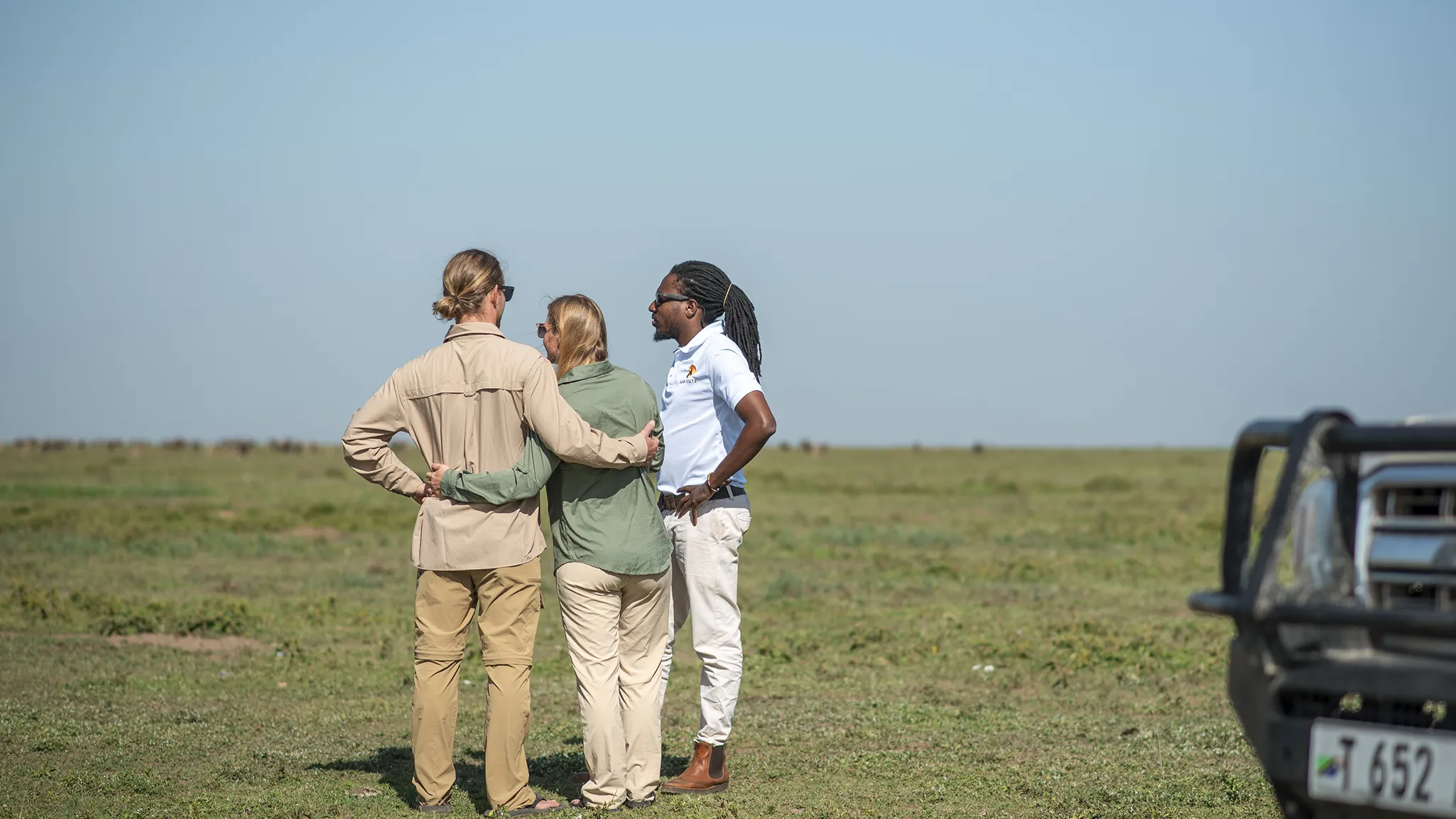
Tanzania remains one of Africa’s most recognised wildlife destinations.
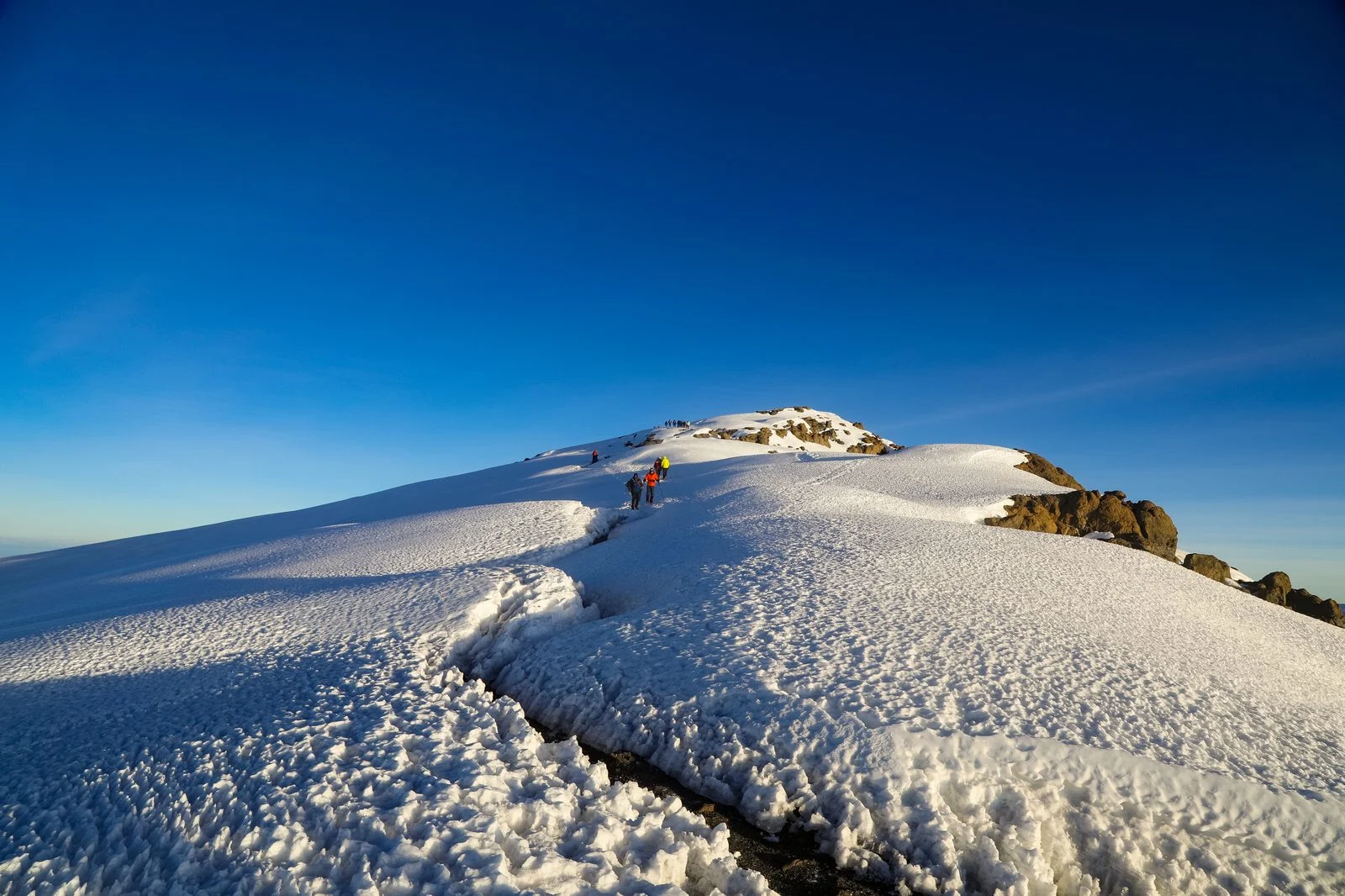
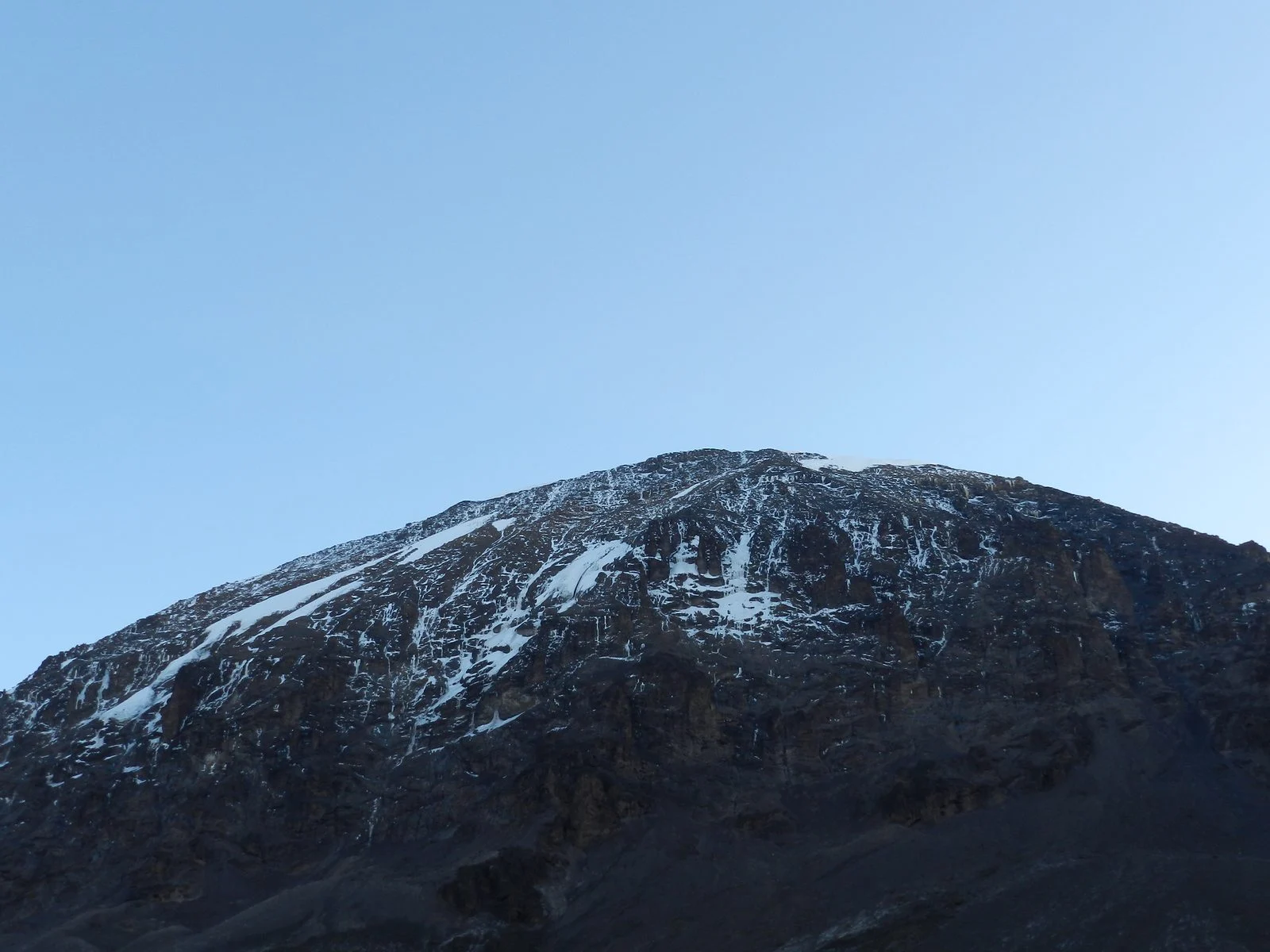
Every year, visitors come to experience the Great Migration, explore the Ngorongoro Crater, climb Mount Kilimanjaro and relax along the beaches of Zanzibar.
Popular destinations include:
- Serengeti National Park
- Ngorongoro Conservation Area
- Tarangire National Park
- Lake Manyara National Park
- Mount Kilimanjaro
- Zanzibar
- Nyerere National Park
- Ruaha National Park
The regional Ebola situation should not automatically be interpreted as an outbreak in Tanzania.
The Tanzanian government has introduced additional public-health measures to strengthen preparedness and identify potential health risks at international entry points.
Under Tanzania Ministry of Health Travel Advisory No. 18, dated 17 October 2026, enhanced measures include:
- Traveller health declarations through the official AfyaMsafiri portal for travellers arriving from or transiting through countries with Ebola transmission.
- Health screening, including temperature checks, at points of entry.
- Providing accurate travel and health information.
- Following instructions from port health authorities.
- Monitoring high-risk travellers for up to 21 days where required.
Travellers who have been in or transited through countries with Ebola transmission should check the applicable declaration requirements before travelling.
Official Tanzanian health declaration portal:
These measures are preventive public-health procedures. They do not mean that every traveller arriving in Tanzania has been exposed to Ebola.
For travellers planning a Tanzania safari in 2027, the requirements in force at the time of travel should always be checked because government health regulations can change.
3. What about travelling to Kenya, Uganda and Rwanda?
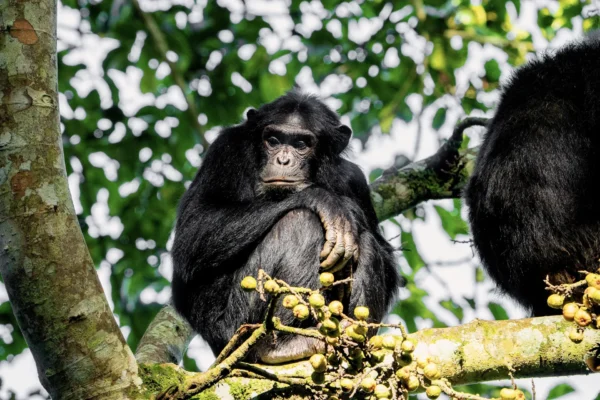
East Africa is a popular multi-country travel destination. Many international visitors combine gorilla trekking, chimpanzee tracking, wildlife safaris and cultural experiences in one holiday.
However, each country has its own public-health requirements.
Kenya
Kenya reported imported Bundibugyo Ebola cases in October 2026, including secondary cases linked to the original patient.
Authorities have strengthened contact tracing, isolation and health monitoring.
Travellers planning a Kenyan safari should consult the latest Ministry of Health announcements and their government’s travel advice.
Uganda
Uganda officially declared its Bundibugyo Ebola outbreak over on 27 August 2026 after the required period without new confirmed cases.
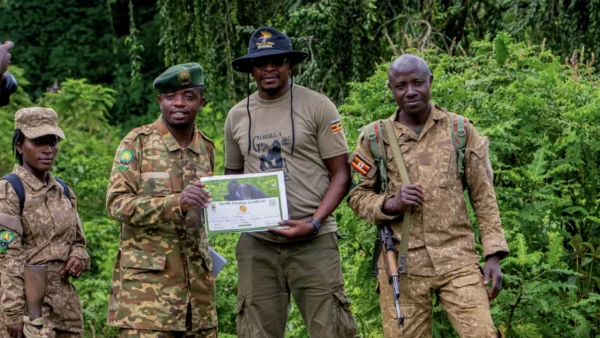
Uganda remains an important destination for gorilla trekking, chimpanzee tracking and wildlife safaris.
Travellers should nevertheless check current border and public-health requirements, especially when combining Uganda with the DRC.
Rwanda
Rwanda is internationally recognised for mountain gorilla trekking, Volcanoes National Park, Akagera National Park and its vibrant cultural experiences.
Travellers should check Rwanda’s latest official health and immigration announcements before departure, particularly when travelling through several East African countries.
Democratic Republic of Congo
The DRC remains the main centre of the ongoing 2026 outbreak.
Travellers considering visits to affected areas should carefully review official government travel advice and follow public-health restrictions.
Important: Travelling to Tanzania, Kenya, Uganda or Rwanda should be assessed according to the actual situation in each destination, not simply because these countries are geographically part of East Africa.
4. How does Ebola spread? What should safari travellers know?
Ebola does not spread simply because someone visits the same country, hotel, airport or national park as an infected person.
According to WHO, transmission occurs through direct contact with the blood, secretions, organs or other bodily fluids of an infected person, or contaminated objects and surfaces. Initial infection can also occur through contact with infected wildlife.
The virus is not spread through ordinary casual contact, such as simply sitting near someone in a safari vehicle.
Common symptoms include:
- Fever
- Severe weakness and fatigue
- Headache
- Muscle pain
- Sore throat
- Vomiting
- Diarrhoea
- Abdominal pain
Symptoms can appear between 2 and 21 days after exposure.
Anyone who believes they may have been exposed and develops symptoms should seek immediate medical attention, inform healthcare professionals about their travel history and follow public-health instructions.
5. What precautions should travellers take before visiting East Africa?
Whether you are visiting Tanzania in December 2026 or planning a safari in July 2027, responsible travel starts before you board your international flight.
We recommend:
Before travelling
- Check the latest WHO updates.
- Read your government’s official travel advice.
- Confirm the entry and health requirements of every country on your itinerary.
- Complete any mandatory health declaration.
- Purchase comprehensive travel insurance.
- Check whether your insurance covers epidemic-related cancellation and medical evacuation.
- Keep emergency contact details available.
During your safari
- Maintain good hand hygiene.
- Use hand sanitiser when necessary.
- Avoid direct contact with anyone suspected of having an infectious disease.
- Avoid touching sick or dead wild animals.
- Follow instructions from local health authorities.
- Inform your guide or tour operator if you become unwell.
After your safari
If you develop symptoms and believe you may have been exposed to Ebola, contact your local health authority immediately and provide your travel and exposure history.
6. What is Safari Goats doing to protect travellers?
At Safari Goats, we believe that guest safety starts long before the first game drive.
As a locally operated East African safari company, we understand the importance of keeping our guests informed, working with reliable local partners and following official government requirements.
Our team operates safari experiences across Tanzania and East Africa, including multi-country journeys involving Uganda and Rwanda.
During periods of increased public-health attention, our approach includes:
- Monitoring WHO and national Ministry of Health announcements.
- Communicating important health and travel updates to our guests.
- Following applicable government entry and health requirements.
- Working with our accommodation, transport and destination partners.
- Encouraging appropriate hygiene practices during safaris.
- Reviewing itineraries if official restrictions affect specific destinations.
- Helping guests understand their booking conditions and travel insurance options.
We do not base our operational decisions on rumours or unverified social media reports.
Our responsibility is to communicate honestly, follow official guidance and put the wellbeing of our guests first.
7. Ebola cancellation policy: What happens if I book a safari for 2026 or 2027?
We understand that one of the biggest concerns for travellers is financial security.
When booking an African safari, guests often pay deposits towards accommodation, park fees, flights, transport and other arrangements months before arrival.
What happens if an Ebola outbreak affects your destination after you have booked?
Safari Goats believes in transparent booking conditions. We therefore distinguish between an official travel restriction that makes your safari impossible and a personal decision to cancel because of concern.
The following policy is intended to apply to bookings for both 2026 and 2027, subject to the booking agreement and applicable law.
Situation A: Your destination is officially closed or travel is legally restricted
If an official government or competent public-health authority imposes a binding travel ban, border closure or other restriction that makes your booked safari impossible to operate legally or safely, we will offer the following options:
Option 1: Free rescheduling
Move your safari to another mutually agreed date, subject to availability. Any unavoidable supplier price differences will be explained before confirmation.
Option 2: Future booking credit
Transfer eligible payments towards another Safari Goats adventure in 2027 or a mutually agreed later travel period.
Option 3: Refund
If you prefer not to reschedule, we will refund the recoverable portion of your payments after accounting for documented, non-recoverable costs already committed to your booking.
We will provide a clear breakdown of any deductions.
ituation B: Ebola is reported in another country, but Tanzania remains open
If Tanzania remains open, your safari destination is accessible, and no official restriction prevents us from operating your itinerary, but you personally decide not to travel because of Ebola concerns, our standard cancellation policy will apply.
In this situation:
- A full refund is not automatically guaranteed.
- Cancellation charges will depend on the booking conditions agreed upon.
- Accommodation, park permits, transport and other supplier commitments may be non-refundable.
- We will explore rescheduling or alternative arrangements where possible.
We encourage guests to contact our team before cancelling their travel arrangements.
Situation C: Your government advises against travel to your destination
If your government issues an official advisory recommending against travel to the specific destination or area included in your safari, we will assess the circumstances individually.
Where possible, we can explore:
- Changing the itinerary to unaffected destinations.
- Replacing affected activities.
- Rescheduling the safari.
- Offering booking credit.
- Refunds based on recoverable payments and documented non-recoverable commitments.
An advisory recommending caution is not necessarily the same as a legal travel ban. The specific wording and circumstances will matter.
Situation D: Safari Goats decides that the safari cannot operate
If Safari Goats determines that it cannot responsibly or legally operate a safari because of a significant safety concern or an official restriction, we will contact affected guests.
We will offer rescheduling, booking credit or the applicable refund in accordance with the booking agreement and applicable law.
We will not knowingly operate a safari in violation of an official restriction
Important cancellation conditions for 2026 and 2027
To avoid misunderstandings, please take note:
- An Ebola outbreak in another country does not automatically qualify a traveller for a full refund.
- A personal decision to cancel while travel remains possible is subject to the standard cancellation terms.
- Official restrictions that make the booked safari impossible will be handled under the exceptional arrangements described above.
- Refunds will account for documented non-recoverable supplier costs where applicable and permitted by law.
- Guests should have comprehensive travel insurance covering medical expenses, emergency evacuation and epidemic-related travel disruption.
- All exceptional cancellation arrangements will be communicated in writing.
Our commitment: We will approach every booking affected by a public-health emergency with transparency, fairness and the safety of our guests in mind.
8. Should you cancel your 2026 or 2027 Tanzania safari because of Ebola?
Not necessarily.
The decision should depend on the current situation in your destination, official travel advice, entry requirements and your personal circumstances.
If Tanzania remains open to international visitors and there are no official restrictions affecting your itinerary, an outbreak elsewhere in Africa does not automatically mean your safari must be cancelled.
For guests travelling in December 2026, we recommend checking official updates before departure.
For guests planning 2027 safaris, we recommend monitoring the situation periodically, particularly before making final travel arrangements.
There is no responsible way to guarantee what the public-health situation will be throughout 2027. However, travellers can make informed decisions by relying on official information and choosing an operator that communicates transparently.
9. Frequently asked questions about Ebola and East African safaris
Is there Ebola in Tanzania in 2026?
Tanzania has strengthened its public-health preparedness and traveller screening in response to the regional outbreak. For the latest confirmed case status, consult Tanzania’s Ministry of Health rather than relying on outdated reports.
Is it safe to book a Tanzania safari for 2027?
You can make travel plans for 2027, but should monitor official health updates and confirm the applicable requirements closer to departure. No travel operator can guarantee future public-health conditions.
Can I visit Serengeti National Park during the Ebola outbreak?
An outbreak in another country does not automatically mean Serengeti National Park is closed. Check current park access, government advice and applicable health requirements.
Can Americans travel to Tanzania during the Ebola outbreak?
American travellers should check Tanzania’s entry requirements and the latest US CDC and Department of State guidance. There may also be additional requirements for returning to the United States depending on recent travel history through affected countries.
Can I combine Tanzania, Uganda and Rwanda in one safari?
Multi-country safaris can be planned subject to each country’s current entry requirements and public-health measures. Your itinerary should be checked country by country.
Will Safari Goats refund my deposit if I cancel because of Ebola?
Not automatically. If an official restriction makes your booked safari impossible, we will explore rescheduling, credit or a refund of recoverable payments after documented non-recoverable costs. If you voluntarily cancel while travel remains possible, the agreed standard cancellation policy applies.
What if Ebola reaches Tanzania in 2027?
We will monitor official announcements, assess the impact on our operations and communicate with affected guests. If restrictions make a safari impossible, our exceptional cancellation and rescheduling provisions will apply.
Does travel insurance cover Ebola?
Not all policies cover epidemic-related cancellations. Travellers should obtain written confirmation from their insurance provider before purchasing a policy.
10. Plan your 2026 and 2027 East African adventure with confidence
East Africa is much more than a safari destination. It is a region of incredible wildlife, diverse cultures, beautiful landscapes and unforgettable experiences.
From witnessing the Great Migration in the Serengeti to trekking mountain gorillas in Uganda and Rwanda, there is so much to discover.
Public-health challenges should always be taken seriously, but decisions should be based on accurate information, not fear.
At Safari Goats, we believe that a great safari begins with trust. We want every guest to feel informed, welcomed and confident about the journey ahead.
Whether you are planning:
- A Tanzania family safari in 2026 or 2027.
- A Great Migration safari in Serengeti.
- A honeymoon in Tanzania and Zanzibar.
- Gorilla trekking in Rwanda and Uganda.
- A multi-country East African adventure.
- A private luxury safari or small-group adventure.
Our team is ready to help you plan your journey.
Safari Goats Adventure — Rewild yourself.